

TCM Researches On Chronic Renal Tubulointerstitial Lesions
Mar 10, 2023
Researches in recent years show that progressive deterioration of the renal function caused by kidney diseases mainly relies on the severity of renal tubulointerstitial lesions (RTIL). Therefore, importance should be attached to RTIL. With its very complicated pathogenesis, RTIL is manifested as the local inflammation in renal interstitium at the early stage, followed by secretion of cellular factors and then phenotype variation, apoptosis, and excessive proliferation of renal tubular epithelial cell (RTEC), as well as an increase in synthesis and decrease in degradation of extracellular matrix (ECM), causing excessive deposition of ECM and eventually renal interstitial fibrosis (RIF). Progress made in TCM research on RTIL is summarized as follows.
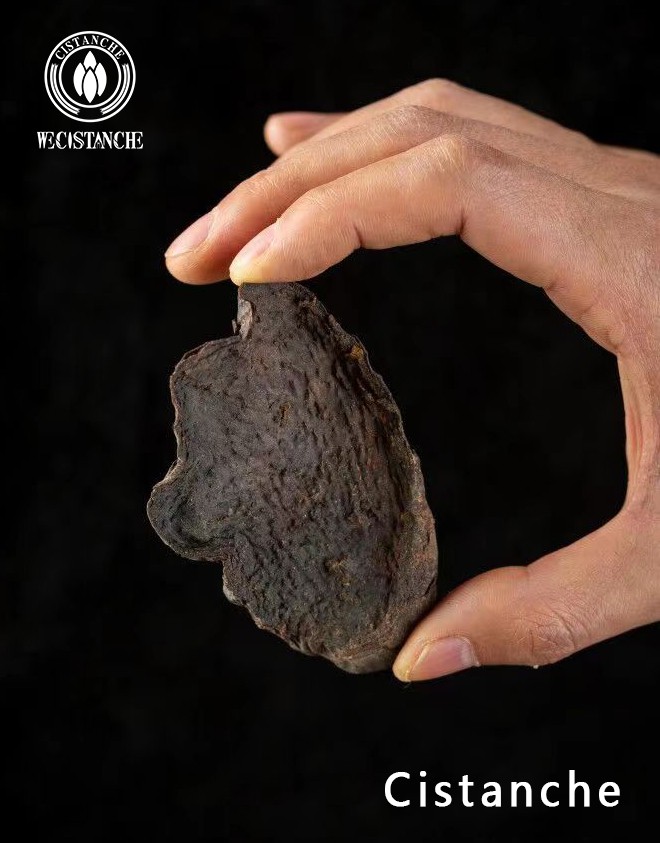
In recent years, many scientists have also discovered that Cistanche is also effective in the kidney. Cistanches (then renamed "Golden Flower Herb") have been a herbal remedy for kidney diseases for millennia. According to the Chinese Pharmacopoeia, Cistanche can "clear heat and detoxify the body, stop bleeding and pain, nourish the liver and kidneys, regulate menstruation and relieve pain". Its function in treating kidney disease is mentioned in various medical theories and is used by people precisely because of its good anti-inflammatory, uric acid-lowering, kidney inflammation symptom-relieving, and significant improvement effects.
First of all, Cistanche has good anti-inflammatory effects that help reduce the inflammatory response of the kidneys, thus improving various lesions of the kidneys. In addition, it also has an antioxidant effect, which can effectively protect kidney cells from oxidative stress. It can also lower uric acid levels in the blood, which helps to improve glomerulonephritis and hyperuricemia.
Secondly, Cistanche has a tonic effect on the liver and kidneys, and the immune function and metabolic function of the body are improved, thus allowing the kidneys to work properly. In addition, it improves capillary elasticity, inhibits blood clotting, as well as regulates blood pressure in the walls of blood vessels.

Click cistanche tubulosa pdf benefit
Research on TCM Syndrome Patterns
In their multi-centered and prospective research on the law governing the distribution of TCM syndrome patterns and its relationship with nephropathy in 286 cases of IgA nephrosis (IgAN), Chen Xiangmei and others1 discovered that the syndrome of qi deficiency in the lung and spleen and the syndrome of deficiency of both qi and yin have pathological change mainly at grade ǿ– ċ of Lee classification, the syndrome of yin deficiency in the liver and kidney mainly at grade ċ–Č and the syndrome of yang deficiency in the spleen and kidney mainly at grade Č–č. The total score of the syndrome of yang deficiency in the spleen and kidney as well as the scores of the renal glomerular and tubular interstitial lesions are much higher than those of the other 3 syndrome patterns.
The total score of the syndrome of yin deficiency in the liver and kidney and the score of RTIL are much higher than those of the other 2 syndrome patterns. The analysis of pathological data of 94 IgAN cases of blood stasis syndrome showed that it is mainly seen at grade ċ–čof Lee classification with the total score of RTIL and scores of infiltration of interstitial inflammatory cells, interstitial fibrosis, and renal tubular atrophy much higher than those of non-blood stasis syndrome. 2 The scores of TCM symptoms and renal biopsy of 409 IgAN cases in another large sample research3 were divided into 3 kinds respectively. The results indicated: 1) External causes (wind-cold, wind-heat, and damp-heat) and internal causes (blood-stasis, phlegm-damp, and damp-heat) are related to the infiltration of renal interstitial inflammatory cells and the deposition of tissue immune complex;2)Internal causes are closely related to cellular proliferation in tissues; and 3) Causes for deficiency of vital qi such as yin deficiency of the liver and kidney and yang deficiency of the spleen and kidney are closely related to RIF and glomerulosclerosis. The above-mentioned 3 types of research indicated that IgAN cases of excess syndrome in TCM are mainly manifested as a glomerular and tubular interstitial active pathological change while both active and chronic pathological change in blood stasis syndrome accounts for a high percentage.
The cases of deficiency syndrome in TCM, qi deficiency of the lung and spleen, and deficiency of qi and yin, are mainly manifested as an active pathological change while the chronic pathological change in yang deficiency of the spleen and kidney and yin deficiency of the liver and kidney accounts for high percentage and severe in degree, especially that of the former. Therefore, it is said that TCM differentiation of symptoms and signs for classification of syndromes is of valuable reference for inferring the pathological change in the kidney of IgAN patients.
In their research on TCM syndrome manifestation of 44 patients with chronic aristolochic acid nephrosis (CAAN) mainly manifested as RTIL, Wang Yaoxian, and others4 discovered that the syndrome of deficiency of both qi and yin has the highest incidence of RTIL, and more than 50% of cases of the syndrome of yang deficiency in the spleen and kidney has RTIL when renal function is not yet severely damaged in decompensatory stage and that the incidence of RTIL in the decompensatory stage of blood stasis syndrome is much higher than that of other excess syndromes and rising with the development of disease, indicating that CAAN is characterized by earlier and severe symptoms of yang deficiency and blood stasis based on deficiency of both qi and yin.

Research on Chinese Drugs
1. Single Chinese drug
Huang Qi (Radix Astragali Mongolici): Based on routine treatment with Western medicine, Chen Liping and others5 additionally used intravenous drip with 40 ml Huangqi injection to treat 60 cases of primary nephrosis syndrome. They discovered that it is superior in decreasing urine N-acetyl-beta-D-glucosaminidase (NAG), ȕ2-microglobulin (ȕ2-MG), urinary retinol-binding protein (URBP), and 24-hour urine protein to Western medicine group. Its mechanism may be 1) reducing expression of monocyte chemoattractant protein-1 (MCP-1) to decrease aggregation and activation of inflammatory cells in renal tubules and interstitium to alleviate RIF,6 2) reducing transforming growth factor-beta (TGF-ȕ1) and ȕig-h3 (ECM adhesive protein induced by TGF) and expression of mRNA, 7 and 3) increasing expression of C-met, the receptor of hepatocyte growth factor of renal interstitial melanocyte, to play a role in protecting renal tubules and resisting RIF. 8
Artificial Cordyceps: Wang Yongjun and others9 used artificial cordyceps to treat 210 RTIL patients with a much better effect than the Baoshenkang group in improving creatinine-eliminating rate, urinary osmotic pressure, urine NAG, ȕ2-MG, and Į1-MG. Its mechanism may be 1) promoting the proliferation of RTEC, reducing cellular lesion or promoting cellular repair and inhibiting the excessive expression of mRNA of RTEC,10 2) inhibiting apoptosis of RTEC,11 and 3) inhibiting the expression of TGF-ȕ and Į-smooth muscle actin (Į-SMA) and decreasing the transformation of renal tubular epithelial interstitium.12
Matrine: It can decrease the expression of connective tissue growth factor (CTGF) and Į-SMA of renal tubulointerstitium in unilateral ureteral obstruction (UUO) rat model,13 partly restore the expression of matrix metalloproteinase 3 (MMP-3), decrease the expression of tissue inhibitor of matrix metalloprotease-1 (TIMP-1), promote the degradation of ECM,14 and reduce the level of interleukin 6 (IL-6) and the expression of TGF-ȕ1 in an adenine rat model,15 thus play an obvious role in treating experimental RTIL.
Da Huang (Radix et Rhizoma Rhei Palmati): Research in recent years confirmed that Da Huang ( Radix et Rhizoma Rhei Palmati) can effectively prevent and treat chronic renal failure (CRF), attributing to rhein and emodin, its main active ingredients. Emodin can inhibit the proliferation of renal interstitial fibroblasts (RIFS), induce their apoptosis, and inhibit cellular growth factors and ECM. Rhein can reverse RTEC overgrowth induced by TGF-ȕ1, inhibit the synthesis of ECM, lower nuclear factor kB (NF-kB) and activity of Caspase-3, reduce apoptosis of RTEC,16 obstruct multiplication of RIFS induced by TGF-ȕ1, inhibit RIFS activated by TGF-ȕ1 and antagonize expression and synthesis of fibronectin (FN).17 According to the pharmacokinetic experiment on the human body, Zhu Wei pointed out recently that rhein may be the sole active ingredient of Da Huang (Radix et Rhizoma Rhei Palmati) to treat CRF.18
Panax notoginseng saponins (PNS): PNS can inhibit excessive multiplication of RTEC induced by uremic serum and secretion of total collagen to raise MMP-1/TIMP-1 (ratio of gene expression to protein secretion) which plays an important role in the occurrence of RIF, promote degradation of ECM,19 increase the expression of proliferating cell nuclear antigen (PCNA) in RTEC, decrease the expression of Į-SMA, reduce the expression of PCNA and Į-SMA in RIFS, inhibit transdifferentiation of RTEC induced by TGF-ȕ1 and IL-1Į, 20,21 thus giving play to the effect of preventing and treating RTIL.
Glycyrrhizic acid (GA): Wang Huiling and others22 found that GA can remarkably improve the excretion of urine albumin and NAG and the level of blood creatinine in the CAAN animal model group with an effect similar to that of prednisone. Its mechanism may be 1) improving the effectiveness of aristolochic acid (AA) on inhibiting the multiplication of RTEC and improving cellular ultrastructure, 23 2) decreasing the expression of renal interstitial NF-kB, CTGF, and TGF-ȕ1, 24 and 3) inhibiting the release of endothelin-1 (ET-1) and angiotensin Ċ (Ang Ċ) by.
RTEC under the effect of AA.
Hong Hua (Flos Carthami): Ding Yueling and others found that Hong Hua can remarkably protect impaired RTEC to reduce RIF. Its mechanism is closely related to inhibiting TGF-ȕ1 and the genetic expression of mRNA and c-fos. 25
In addition, Dan Shen ( Radix Salviae Miltiorrhizae), Ligustrazine, Hong Jing Tian (㑶᱃ Radix Rhodiolae), Triptolide, and Ginsenoside also have obvious effects on preventing and treating RTIL.
2. Compound of Chinese drugs
Formulation made from Huang Qi (咘㡾 Radix Astragali Mongolici) and Dang Gui (ᔧᔦ Radix Angelicae Sinensis). Scholars found in recent years that this recipe is good for preventing and treating RTIL with an effect similar to the angiotensin-converting enzyme inhibitor (ACEI) and angiotensin receptor blocker (ARB). Its mechanism may be 1) inhibiting the generation and expression of Ang Ċ and osteopontin in renal tissue and reducing the expression of TGF-ȕ1 and CTGF to decrease transdifferentiation of RTEC and synthesis of ECM,26,27 2) lowering the expression of tissue transglutaminase (tTG) which can make ECM protein chain form stable structure to resist the degradation of ECM,28 3) continuously strengthening the activity of endothelial nitric oxide synthase (ENOS) in renal tissue of UUO rat model to increase nitric oxide (NO) to reduce angiotensin and relieve ischemia and hypoxia in the kidney, 29 and 4) inhibiting the expression of Bax, an antiapoptotic component in RTEC, and lowering the Bcl-2/bax to inhibit apoptosis of RTEC.30
Shenyan Fangshuai Ye ( Renal failure-preventing liquid). It consists of Huang Qi (Radix Astragali Mongolici), Dang Gui (Radix Angelicae Sinensis), Hong Jing Tian (Radix Rhodiolae), Zhi Da Huang (Radix et Rhizoma Rhei Preparata), E Zhu (Rhizoma Curcumae) and Liu Yue Xue (݁Herba Serissae). Its effect of reducing 24 h urine protein, NAG, serum creatinine (SCr), and blood urea nitrogen (BUN) in rats with obstructive renal failure is similar to that of Benazepril.31 Its mechanism may be lowering the expression of TGF-ȕ1 to decrease the level of Į-SMA, alleviate the excessive expression of collagen, and delay the progress of RIF. 32
Yishen Ruanjian San (Nourishing kidney and resolving mass powder). It consists of eight Chinese drugs including Huang Qi (Radix Astragali Mongolici), Dang Gui ( Radix Angelicae Sinensis), Dan Shen (Radix Salviae Miltiorrhizae), Zhi Bie Jia (Carapax Trionycis Preparata) and Cordycepic mycelia. Chen Yipu and others33 confirmed in their research in vitro that this serum-containing recipe can reduce the expression of TGF-ȕ1, CTGF, and TIMP-1 and mRNA of human RIFS and RTEC to antagonize AA-caused ECM accumulation but have no obvious influence on plasminogen activator inhibitor-1 (PAI-1). They also confirmed that this recipe can reduce the expression of the above-mentioned indexes including PAI-1 in renal tissues to relieve RIF of CAAN. 34
Shenluo Tong (Clearing renal collaterals drug). It consists of Huang Qi (Radix Astragali Mongolici), Dang Gui (Radix Angelicae Sinensis), Dan Shen ( Radix Salviae Miltiorrhizae), Chuan Xiong (Rhizoma Chuanxiong), Di Long (Pheretima Aspergillum), Wu Shao She (Zaocys), Da Huang (Radix et Rhizoma Rhei) and Jiang Can (Bombyx Batryticatus). Ding Yueling and others discovered that the recipe can alleviate pathological change in the ultrastructure of renal tubules to protect RTEC. Its mechanism may be inhibiting the expression of renal tubular interstitial PCNA, and decreasing the expression of Į-SMA, fibronectin (FN), and laminin (LN) through reducing renin activity and Ang level Ċ and lowering the expression of TGF-ȕ1 and mRNA to delay RIF. 35
Fufang Biejia Ruangan Pian (Compound tortoise shell tablet for softening liver). It consists of Huang Qi (Radix Astragali Mongolici), Dang Gui (Radix Angelicae Sinensis), Bie Jia (Carapax Trionycis), San Qi (ϝϗ Radix Notoginseng), Chi Shao (Radix Paeoniae Rubra)ˈDong Chong Xia Cao (Cordyceps) and Lian Qiao (Fructus Forsythia). This is a new drug with the definite effect of resisting hepatic fibrosis. Zhao Zongjiang and others proved in a series of research that the recipe can inhibit the expression of NF-kB and TGF-ȕ1 and mRNA in the renal tissue of UUO rats with an effect similar to that of Benazepril.36,37 It can also remarkably increase the expression of MMP-9 in UUO rats, decrease the expression of TIMP-1 and promote the degradation of ECM38 to prevent and treat RIF effectively.

Conclusion
The above-mentioned researches show that TCM syndrome patterns are instructive for inferring the pathological change in RTIL. The Chinese drugs mentioned above supplement qi, nourish the kidney, promote blood circulation, remove blood stasis, clear heat, and eliminate toxins. From the response of the disease to the drugs applied, it can be suggested that deficiency of the spleen and kidney, blood stasis, and toxic heat may be the main pathogenesis of RTIL. However, because of its complication and variation, there has been not enough systematic and profound research on Chinese drugs for clinical treatment. As molecular biology is further adopted in TCM, the relationship between Chinese drugs and RTIL will be inevitably determined. Application of Chinese drugs based on the differentiation of syndromes guided by TCM theory will be prosperous in the future.

References
1. Chen Xiangmei, Chen Yiping, Chen Yipu, et al. A multicenter prospective study on the relationship between TCM syndrome differentiation and renal pathology in 286 cases of IgA nephropathy. Chinese Journal of Integrated Traditional Chinese and Western Medicine 2004; 14(2): 101-105.
2.Gui Cheng Yun, Chen Xiang Mei, Zhao Danyang, et al. Correlation between blood stasis and clinicopathology in IgA nephropathy. Chinese Journal of Integrated Traditional Chinese and Western Medicine 2005: 25 (8) 687-690.
3.Sun JS, Fu ZC, Wang YF, et al. Study on the relationship between renal biopsy pathology of IgA nephropathy and Chinese medicine identification, Chinese Journal of Integrative Nephrology 2004; 5 (9): 510-514.
4.Wang Yaoxian, Wang Cui, Sun Luying, et al. Study on the Chinese medical evidence of chronic aristolochic acid nephropathy. Journal of Beijing University of Traditional Chinese Medicine (TCM Clinical Edition) 2005:12 (1): 8-11.
5. Chen L. P., Zhou Q. L., Yang J. H., et al. Protective effect of Huang Chang injection on renal tubules in patients with nephrotic syndrome. Journal of Central South University (Medical Edition) 2004:29 (2): 152-153.
6. Ding Qichao, Zhu Tongyu, Zhang YK, et al. Effect of Huang Changjiawu on the expression of MCP-1 in ischemia-reperfusion injured kidneys in the distant stage. Fudan J. (Med.) 2004;31 (6): 588-591.
7. Yang R, Ni ZW, Qian JQ, et al. Expression of human transforming growth factor B-inducible gene-clone 3 in renal tissues of diabetic rats and the effect of losartan and huangmao on it. Chinese Journal of Nephrology 2004; 20 (5):347-350.
8. Mou N, Zhang QY, Ni ZW, et al. Effect of Huangmao injection on C-met expression in human renal mesenchymal fibroblasts cultured in vitro. Chinese Journal of Nephrology 2004;20 (2): 137-139.
9.Chen Xiaoxia, Chen Hongyu, Wang Yongjun. Clinical study on the protective effect of polychaete holding bacteria powder on the renal tubular interstitial injury. Chinese Journal of Integrated Chinese and Western Medicine and Nephrology 2003;12 (4): 718-720.
10.Chen X.X., Yang R.C., Mao L.C., et al. Effects of drug-containing serum of Trichoderma multi forme powder on renal tubular epithelial cell proliferation and gene expression of fiber growth factors. Chinese Journal of Integrated Chinese and Western Medicine and Nephrology 2005;6(1): 10-12.
11.Yang RCH, Mao LC, Chen XX, et al. Study on the protective effect of the drug-containing serum of Trichoderma multiflorum powder on LLCPK cell injury Journal of Chinese Medicine 2004:22 (12): 2256-2260.
12. Chen X-X, Wang J, Zhou D-W. Protective effect of artificial Cordyceps extracts on renal tubular interstitial injury caused by a unilateral ureteral obstruction in rats. Chinese Journal of Integrated Traditional Chinese and Western Medicine and Nephrology 2004:5(8): 440-442.
13. Fu P, Zhang J, Feng M, et al. Experimental study on the effects of bitter ginseng alkaloids on renal tubular interstitial CTGF and a-SMA. Sichuan Medicine 2005, 26 (10):1074-1076.
14. Fu P, Feng M, Zhang J, et al. Effects of bitter ginseng alkaloids on renal tubular interstitial MMP-3 and TIMP-1, Chinese Journal of Integrated Chinese and Western Medicine and Nephrology 2006,7021 80-82.
15. Lu YH, Tang J, Deng ANG, et al. Effect of bitter ginseng alkaloids on amelogenin-induced fibrosis in rat renal tubular mesangium. Chinese Journal of Pharmacology 2005. 40(187:1384-1388.
16. Ji Zechuan, Huang Cuiwen, Liang Chengjie, et al. Effect of rhubarb acid on glomerulosclerosis renal cortical regulatory protease-3 activity and cellular regulation, Chinese Medicine 342: 2005: 85 0261 1836-1841.
17, He Dongyuan, Wang Xiaoyun, Wang Ningning, et al. Experimental study on the inhibition of renal interstitial fibroblast invitation by rhubarb acid. Chinese Journal of Nephrology 2006,22 (2105-108.
18, Zhu W, Wang XM. Research progress on the mechanism of rhubarb in the treatment of chronic renal failure, Chinese Journal of Integrative Medicine 200525(51 471-475.
19, Liu H. Pan, Chen H. W., Liu H. F., et al. Effect of Panax notoginseng total wu on uremic serum-induced secretion and degradation of human renal tubular epithelial extracellular matrix. Chinese Medicine 2006,3721 245218.
20, Zhang Y, Chen HW, Liu HY, et al. Effect of Panax notoginseng total wu on TGF-B2-selected phenotypic transdifferentiation of HK-2 cells. Chinese Traditional Chinese and Western Medicine General Diseases 3 6 2005 6(61:317-320.
21, Wang Mi, Fan Junming, Liu Xinying, et al. Effect of Panax notoginseng total wu on I-1 induced transdifferentiation of rat tubular cells, Chinese Journal of Integrative Medicine 2004,24(81 722-725.
22. Wang H L, Zhang Q Y, Huang J. Effects of glycyrrhetinic acid on urinary protein and urinary alcohol excretion and renal function in rats with chronic aristolochic acid nephropathy. Shanghai TCM 342 2006,40121 52-54.
23, Wang H L, Zhang J Y. Preliminary study on the protective effect of glycyrrhetinic acid on the damage of renal tubular epithelial cells caused by aristolochic acid, Chinese Miscellaneous 6 2005,641: 200-203.
24. Li K L, Zhang J G, Wang H M, et al. Experimental study on the regulation of CTGF and TGF-B 1 expression in the interstitium of rat littermates with infarction nephropathy by glycyrrhizic acid 18 bodies, Journal of the Third Military Medical University 2005, 27 41: 323-325.
25. Zhao YZ, Xu QY, Ding YZ, et al. Effects of safflower on the expression of TGF-B 1, TGF-B ImRNA, and C-os in rats with renal tubular interstitial fibrosis Chinese Pharmacology Bulletin 2005,21 (81: 1022-1023.
26, Hu J. C., Xia M. Z., Wan Q. S. Experimental study on the anti-interstitial fibrosis of rat kidney with Guihuang oral liquid - Journal of Wuhan University (Medical Edition) 2005,26 (4) 491-493.
27. Zhao Jianrong, Session Lei, Li Xiaoyuang, Huang Huang Angelica Combination on Obstructive Nephropathy Effects of changes in vasoactive substances in the kidney of rats with constipation, Chinese Journal of Nephrology 2006, 22 (21 94-99.
30. Fu Rongguo, Zhou Yulin, Nie Qian, et al. Protective study on ischemic acute kidney injury in rats with Huangmin-Danggui Combination, Chinese Journal of Combined Medical Emergency 2006: 13 11: 9-12
31. Wang Yaoxian, Liu Shangjian, Zhao Zongjiang, et al. The therapeutic effect of nephritis anti-decay solution on unilateral ureteral make blocked renal failure in rats, Chinese Journal of Traditional Chinese Medicine 2005300101: 796-798.
32. Wang Xian, Zhao Zongjiang, Sun Luying, et al. Mechanistic study on the renal protective effect of nephritis anti-decay solution on unilateral ureteral obstruction in rats. Journal of Traditional Chinese Medicine 2005 23 031: 458 161.
33. Fang J, Speak Yipu, Yang Yifang, et al. Antagonism of aristolochic acid on human proximal renal tubular epithelial cells by drug-containing serum of Yiken Softjian San, Chinese Traditional Medicine 346 2005 30(91 704-707.
34. Zhang C., Speak Yipu, Yang Yifang, et al. Protective effect of Yi Kidney Soft Kin San on renal interstitial fibrosis in a rat model of chronic aristolochic acid nephropathy, Chinese Journal of Integrative Medicine 2005,25(8) 714-718.
35, Ding Y L, Zhao Y L, Chen C Q, et al. The effect of Jielotong on cell phenotypic transformation in rats with adriamycin nephropathy, Chinese Pharmacology and Clinical 2005,21 (2028-30.
36, Gu Haiying, Zhao Zongjiang, Yang Meijuan, et al. Effect of compound whole nail soft liver tablets on NF- B expression in renal tissue of rats with single female ureteral infarction. Chinese Journal of Integrated Chinese and Western Medicine and Nephrology 2005 6(31 137-139.
37. Zhao Zongjiang, Zhang Xinxue, Yang Meijuan, et al. Effects of Compounded Whole Methyl Liver Tablet on TGF-B 1 protein and its mRNA expression in kidney tissue of ureteroligated rats, Journal of Beijing University of Chinese Medicine 2005,28 (2):23-23.
38, Li Xianghui, Zhao Zongjiang, Yang Meijuan, Effect of compound whole nail soft liver tablets on MMP 9/TIMP-1 expression in renal tissues of unilaterally ureteral ligated rats. Sea Journal of Traditional Chinese Medicine 2006,4011 53-55
For more information:1950477648@gmail.com